PP #2- Interest Group or Issue
The Sierra Club

The Sierra Club is one of the oldest and most prominent environmental organizations in the United States, has developed a comprehensive media strategy to advocate for environmental issues. With a focus on protecting natural resources, promoting sustainable energy, and combating climate change, the Sierra Club employs a multi-faceted approach that leverages digital platforms, social media, and grassroots mobilization to reach various audiences. This blog post will critique the Sierra Club's media strategy, analyzing its use of the internet, social media platforms, and other digital tools to enhance its visibility and effectiveness.
Digital Presence and Website
The Sierra Club's website serves as the central hub for its advocacy efforts, providing extensive resources, educational content, and avenues for activism. The site features:
- Educational Articles: In-depth articles on climate change, renewable energy, and conservation.
- Action Alerts: Opportunities for visitors to take immediate action on pressing issues, such as signing petitions or contacting elected officials.
- Membership Information: A straightforward path for users to join the club or donate, integrating a strong call to action.
The site is user-friendly, with a clean design that encourages exploration. The content is regularly updated to reflect current issues and campaigns, making it a valuable resource for supporters and potential members alike.
Social Media Engagement
The Sierra Club actively uses various social media platforms to engage with supporters and the broader public:
Facebook: The Sierra Club's Facebook page is a hub for sharing articles, infographics, and events. It encourages community engagement through polls and discussions, effectively building a sense of belonging among its followers. The club's approach to storytelling—highlighting individual members' experiences and local initiatives—resonates with audiences and inspires action.
Twitter: On Twitter, the Sierra Club effectively utilizes hashtags to join larger conversations about climate change and environmental policy. It shares quick updates, retweets relevant news, and engages with followers in real-time. This strategy helps to keep environmental issues in the public eye, especially during critical moments like climate summits or legislative debates.
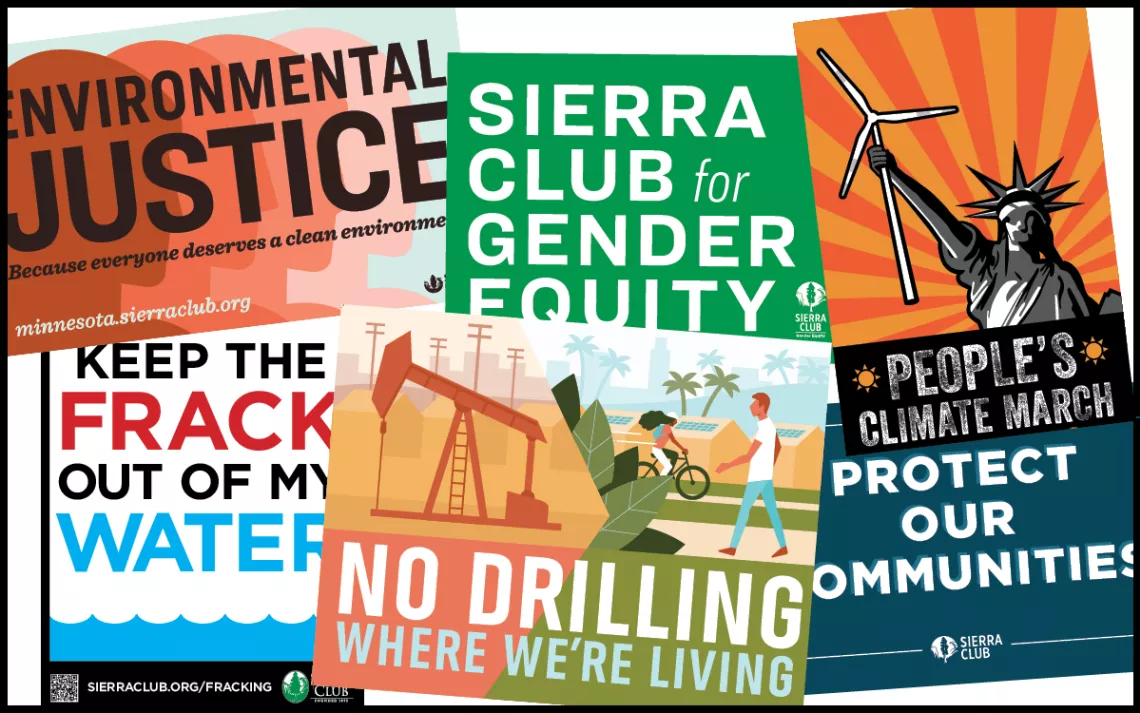
Instagram: The use of striking visuals is particularly effective on Instagram, where the Sierra Club shares stunning photographs of nature, as well as graphics that convey the urgency of environmental issues. By appealing to the aesthetic sensibilities of users, the club can attract a younger demographic and engage them in environmental advocacy.
https://www.instagram.com/sierraclub/
Mobile Apps and Text Messaging
The Sierra Club has also embraced mobile technology as a means of enhancing engagement:
- Mobile Apps: The Sierra Club’s app, Sierra Club: Hiking & Conservation, offers users tools for exploring nature, such as trail maps, tips for sustainable outdoor activities, and information on local conservation efforts. This app not only encourages outdoor activity but also reinforces the organization's mission of protecting natural spaces.
- Text Messaging Campaigns: The Sierra Club effectively utilizes text messaging to mobilize supporters for urgent actions, such as protests or legislative calls to action. These campaigns are often time-sensitive, urging immediate responses that can drive real-world impact.
Media Events and Partnerships
The Sierra Club frequently organizes media events, including press conferences, rallies, and community forums. These events attract media attention and provide opportunities for local leaders to speak out on important issues. Additionally, the Sierra Club collaborates with other environmental organizations, leveraging collective reach to amplify messages. By partnering with celebrities and influencers, the club can engage diverse audiences and drive awareness around specific campaigns.
Video Content and YouTube
The Sierra Club's YouTube channel showcases documentaries, educational videos, and personal stories from members and activists. The use of video is particularly effective in conveying emotional narratives and making complex environmental issues accessible to a broader audience. The club's documentary-style content, highlighting the impact of climate change on specific communities, resonates deeply and often goes viral, increasing its reach.
https://www.youtube.com/@NationalSierraClub
Overall, the Sierra Club's media strategy is effective in raising awareness and mobilizing action around environmental issues. Several factors contribute to its success:
- Comprehensive Approach: By using a multi-platform strategy, the Sierra Club can reach different demographics and engage with supporters on their preferred platforms. This approach ensures that messages are disseminated widely and resonate across various audiences
- Emotional Appeal: The use of personal stories and powerful imagery fosters an emotional connection with the audience, encouraging them to become advocates for change. The Sierra Club successfully frames environmental issues as urgent and relatable, increasing public investment in its mission.
- Responsive Engagement: The Sierra Club’s proactive approach to engagement allows it to respond quickly to current events, helping to keep environmental issues at the forefront of public discourse. By participating in trending topics and utilizing real-time engagement tactics, the organization maintains its relevance.
The Sierra Club's media strategy illustrates the power of digital tools in advocacy and activism. Through a well-rounded approach that encompasses a robust online presence, strategic social media engagement, and innovative use of technology, the organization has effectively mobilized support for environmental issues. While the strategy is effective, continual adaptation and responsiveness to emerging platforms and audience demographics will be crucial in sustaining momentum and ensuring that environmental advocacy remains a priority in American politics.


Comments
Post a Comment