PP #4- Wild card
Why people think their vote doesn't matter
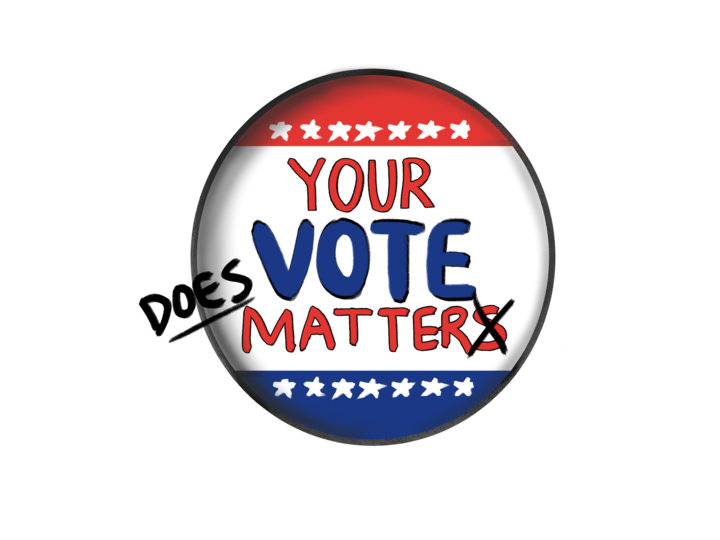
Voting is one of the cornerstones of democratic societies, a fundamental right and responsibility that enables citizens to participate in the selection of their government and the shaping of public policy. Despite its importance, many individuals in democratic countries—especially in the United States—choose not to vote, and some even argue that their votes do not matter. This perception is influenced by several factors, ranging from systemic challenges to personal beliefs, and understanding these reasons is crucial to addressing voter disengagement and promoting a more participatory democracy.
Feeling of Political Powerlessness
A common reason people believe their vote doesn’t matter is a sense of political powerlessness. Many individuals feel disconnected from the political process, believing that their single vote cannot influence the outcome of elections, particularly in large-scale elections like presidential races. This feeling is especially pronounced in countries with large populations and an electoral system that often gives more weight to certain regions or groups (e.g., the Electoral College in the United States, where each state’s voting power is not strictly proportional to its population).
In the U.S., for example, a voter in a solidly blue or red state may feel that their vote will not change the outcome, especially when they are part of the minority party in that state. This is reinforced by the “winner-takes-all” nature of the Electoral College, where the outcome of a presidential election hinges on a few swing states, and voters in non-competitive states feel their votes are insignificant.
https://phillipian.net/2023/11/09/your-vote-doesnt-matter-except-that-it-does/
Dissatisfaction with Candidates and the Political System
Another reason people might not vote is dissatisfaction with the candidates or the political system as a whole. Voters who feel that neither of the major political parties represent their views or values might opt out of the process altogether. In such cases, individuals may perceive the political establishment as corrupt or as a system that is more concerned with maintaining power than addressing their needs or concerns.
This disillusionment is often exacerbated by negative campaigning, where candidates focus more on attacking their opponents rather than offering substantive policy proposals. Voters who feel that politicians are more interested in scoring political points than in serving the public may conclude that voting is futile, as they believe that no matter who wins, the status quo will remain largely unchanged.
Additionally, the increasing polarization of political parties in many countries, including the U.S., can make people feel that their vote won’t matter if they are part of a moderate or independent group. In a binary political system, where the choices seem stark and extreme, many individuals might decide not to vote because they don’t feel that either option reflects their values or priorities.
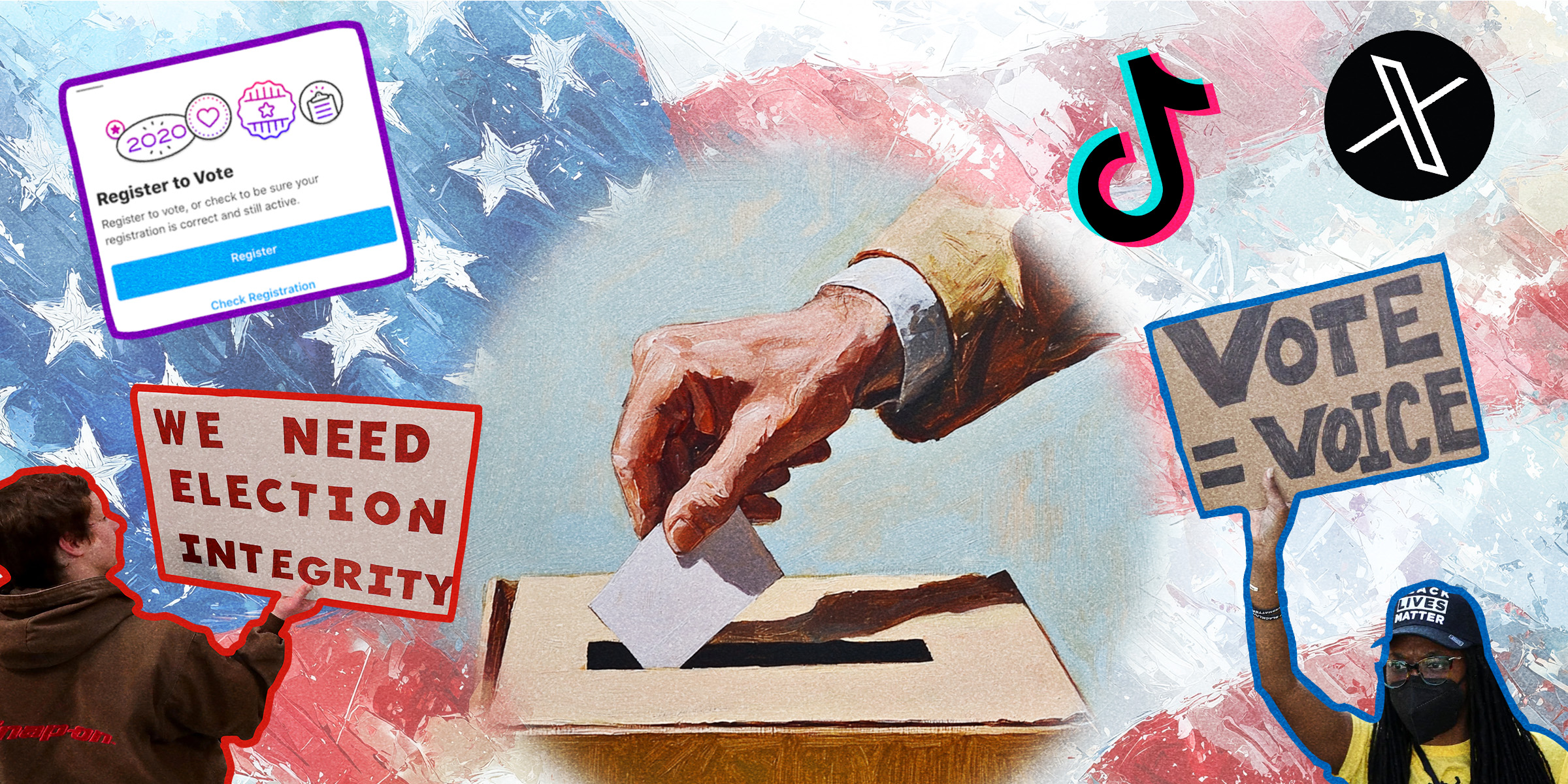
Perceived Ineffectiveness of Democracy
Some people may not believe in the efficacy of democracy itself. This view is often tied to a broader sense of cynicism or apathy toward political institutions. Individuals who hold these views may argue that democracy is inherently flawed, that political decisions are driven by elite interests rather than the will of the people, and that voting is just a ritual that does not result in meaningful change. For these individuals, voting can feel like a token gesture, a symbolic act that has little effect on the larger political system or on the decisions made by government officials.
Moreover, historical instances of voter suppression, gerrymandering, and disenfranchisement can reinforce the idea that democracy is rigged and that voting is not an equal or fair process. When people see that certain groups are systematically denied the right to vote or that their votes are diluted through tactics like gerrymandering, they may feel that their participation in elections is not only meaningless but also actively undermined.
Lack of Political Engagement and Information
A significant barrier to voting is a lack of political engagement or information. Many people do not vote because they do not understand the candidates, policies, or political issues at stake. This lack of knowledge often stems from insufficient education about politics or a lack of interest in current events. In societies where media outlets are fragmented or where misinformation spreads easily, people may feel overwhelmed by conflicting narratives and unable to make informed choices.
Without a clear understanding of the candidates’ positions, their track records, or the implications of their policies, individuals may feel it is easier to abstain from voting than to engage in the complicated process of learning about politics. Additionally, some people might not feel personally impacted by the issues being debated or might have no personal stake in the outcome of an election, leading them to perceive voting as unnecessary.
https://www.youtube.com/watch?v=7Skgy5FXh-8
Generational Disengagement
Young people, in particular, are often cited as one of the most disengaged groups when it comes to voting. There are several reasons for this. First, younger people may feel that their concerns are not represented by older politicians, who may be seen as out of touch with the issues that matter most to younger generations. Second, young people might be skeptical of the political system in general, feeling that politicians are motivated by personal gain or that the system is too broken to fix. Third, younger individuals may be less likely to have learned the importance of voting in school or from their families, leaving them without a sense of duty or obligation to participate in the democratic process.
Social media and digital activism may also play a role in shaping young people’s views. Many young people today are more accustomed to online forms of political engagement, such as petition signing, protesting, or sharing political messages on social media, which may lead them to believe that these forms of participation are more impactful than traditional voting.
https://projects.fivethirtyeight.com/non-voters-poll-2020-election/

Voter Fatigue and Negative Campaigning
In an era of constant political campaigning, particularly in countries like the U.S. where elections are frequent and sometimes endless, voters can experience fatigue. The bombardment of advertisements, debates, and political messaging can be overwhelming, leading to disengagement and a sense that voting won’t change the state of affairs. Negative campaigning—where candidates focus on attacking each other rather than discussing policy—can also alienate voters, who may become frustrated with the lack of substantive conversation and the focus on divisiveness rather than unity.
Conclusion
The belief that one’s vote does not matter or that voting is unnecessary is influenced by a complex interplay of factors, including feelings of political powerlessness, dissatisfaction with candidates or the political system, a lack of engagement or information, and practical barriers to voting. Addressing these issues requires a multifaceted approach, including electoral reforms to make voting more accessible, efforts to increase political education and engagement, and strategies to combat misinformation and cynicism. By addressing the root causes of voter disengagement, it may be possible to foster a more participatory, inclusive, and effective democratic process, ensuring that all citizens understand the power of their vote and are motivated to exercise it.


Comments
Post a Comment